From Hospital to Home: How RPM Reduces Readmissions and Supports Recovery

Key Takeaways:

  • Early Detection Makes the Difference: When providers detect fluctuations early, they can make proactive choices to prevent the need for hospital readmissions.
  • Patient Empowerment Increases Engagement: Making real-time health data available empowers patients to take a more active role in their recovery.
  • Better Communication Equals Better Outcomes: Communication is crucial, especially after a hospitalization. RPM makes it possible to stay in touch when it matters most.

The Role of RPM in Modern Healthcare

The advancement of technology has made huge strides across the healthcare industry. One of those breakthroughs is in remote patient monitoring (RPM). RPM is a new innovation in patient care that allows providers and caregivers to monitor their patients through devices like blood pressure monitors, glucose meters, and wearable sensors like smart watches. These devices keep patients and their providers connected, ensuring that early warning signs and other acute issues are detected before they become more serious.
In a recent article, we explored how RPM monitoring can help prevent emergency room visits. However, it is not always possible to avoid hospital visits, and sometimes routine surgeries are necessary. So, how can RPM be a part of reducing hospital readmission? Is it possible that these innovative new tools can be a part of supporting recovery and make better patient outcomes possible? The answer is yes!

Reducing Hospital Readmissions with RPM

Did you know that 23% of patients end up back in the hospital due to a lack of home support? At Accessible Remote Care Management, we know how beneficial in-home care can be for recovery.
It has been proven that having someone, especially a trained and experienced in-home caregiver, at home to oversee your loved one’s health and well-being not only helps them follow through with their post-stay instructions but also increases the chances of positive health outcomes.

RPM is no different, except who instead of a caregiver that comes only during scheduled visits your family is equipped with 24/7 monitoring. The benefits of this level of care post-operatively can quickly add up, making this innovative solution a force to be reckoned with in senior care.

Early Detection and Intervention

RPM systems involve a blend of wearable devices and other technology to collect real-time data. They track vital signs closely and alert caregivers and medical providers when there is a deviation from a patient’s baseline. Those alerts make it possible for your senior’s care team to promptly intervene and begin problem-solving solutions that prevent health conditions from worsening. Early detection makes it possible to address issues and keep your loved one healthy and on track for recovery.

Patient Empowerment Through Data

Recovering from an emergency room visit or hospitalization due to surgery can feel disempowering. For many seniors, it can feel like they are no longer in control of their health. However, with RPM systems like Accessible Remote Care Management’s HealthVitals® platform, patients are able to see their own vitals and get more involved in their own care.

By fostering a sense of ownership, seniors will feel more comfortable adhering to their treatment plans, reducing complications and leading to better health outcomes.

Personalized and Proactive Care

The days and weeks after hospitalization are crucial to ensuring your senior loved ones recover to their full potential. By allowing their care-team to analyze real-time data, RPM platforms make it possible for healthcare teams to make adjustments specific to your family member’s personal experience. Not only does this assist in preventing readmissions, but the tailored approach offers your family the peace of mind that your loved one’s care is personalized and proactive, making recovery a goal that is easily within their grasp.

Better Communication for Better Outcomes

Before the era of remote patient monitoring, patients would have to wait for their post-operative appointments with their care team to know how well their recovery was going. With RPM, your senior loved one will have a direct channel to connect with their providers. Instead of waiting to get answers to their questions and concerns, patients are now able to make their own in-the-moment decisions about their health outcomes.

Making Recovery A Priority

Here at Accessible Remote Care Monitoring, we know that the best place for recovery is at home. When your senior loved one is able to prioritize their health while also being in a familiar place, their health and well-being increases.

Adding RPM to their care plan makes recovery even easier. The National Institute of Health agrees: a 2024 study revealed that RPM reduced hospitalizations, emergency room visits, and total hospital stays significantly. Not only does RPM reduce readmissions, but it also improves patient outcomes by making recovery an interactive and collaborative process between your senior loved one and their care team.

Including RPM in your family’s care and recovery plan can make the difference between being readmitted and recovering at home. And, with our years of experience in in-home healthcare, Accessible Remote Care Management is dedicated to making sure that seniors feel empowered and engaged in their recovery.

To learn more about what HealthVitals® can do for your family, contact us today. We’re here to help and cannot wait to be a part of improving the health and well-being of the seniors in your life.
How RPM Helps Prevent Emergency Room Visits — Before It’s Too Late

An unplanned trip to the emergency room is a scenario no one wants. For the seniors managing chronic conditions like heart disease, diabetes, or COPD, everyday life can often feel like a tightrope walk. Subtle changes between doctor visits can quickly build into a health emergency if not monitored.

How Remote Patient Monitoring (RPM) Makes a Difference:

  • • Early Detection: Continuous monitoring of vital signs helps identify potential issues before they become emergencies.

  • • Proactive Intervention: Care teams can respond quickly with medication adjustments, remote consultations, or lifestyle guidance.

  • • Chronic Disease Management: Keeps conditions like heart failure and diabetes under control to reduce acute episodes.

  • • Improved Engagement: Seniors and families can view health data in real time, empowering active participation in care.

  • • Peace of Mind: RPM provides reassurance and reduces the stress of worrying about potential health crises.

The good news is that we are moving beyond this purely reactive model of care. The future of healthcare isn’t just about treating illness; it is about creating a safer, more predictable quality of life for the seniors in your life and giving caregivers a greater peace of mind.

In this blog, we explore how RPM blends timely data, proactive support, and collaboration with your senior’s providers to help you and your family thrive safely at home and ensure those stressful, avoidable emergency room visits become a thing of the past.

Preventing Emergencies by Monitoring Health

In a recent article, we took a look at the benefits of remote patient monitoring. But, the benefits extend beyond just increased independence and medication adherence. When your family has teamed up with a remote patient monitoring platform like Accessible Remote Care Management’s 24/7 HealthVitals, you can trust that they are partnered with a team of professionals committed to their health and wellness.

There are many ways RPM ensures the senior in your life not only thrives, but is able to catch health issues before they turn into an emergency. Here’s how:

Early Detection

Remote patient monitoring allows your senior loved one’s care team to continuously monitor vital signs like blood pressure, heart rate, blood glucose, and oxygen saturation. When a significant change, abnormal trend, or dramatic fluctuation is identified, the RPM platform can trigger an alert, prompting their care team to investigate. Detecting issues early allows your senior and their team to make proactive adjustments to their care plan to prevent worsening symptoms and improve their quality of life.

Proactive Intervention

Since RPM makes early detection easier, it allows healthcare providers to intervene earlier. With enough warning, providers can take measures like adjustment to medications, schedule remote consultations or in-office check-ups, and offer advice on lifestyle changes, often resolving issues at home. For example, a senior with congestive heart failure can be monitored for symptoms like weight gain and low oxygen levels, allowing their care team to address the issue before it leads to a full-blown emergency.

Chronic Disease Management

Remote Patient Monitoring is especially helpful for managing chronic conditions like heart failure and diabetes where exacerbations often lead to a sudden need for emergency care. By keeping these conditions under control, RPM reduces the likelihood of acute episodes. Living with chronic disease does not need to be a constant balance of anxiety about what could happen–RPM provides peace of mind, while also helping make chronic diseases easier to manage from home.

Improved Engagement

RPM allows seniors and their families to see health data in real time This transparency fosters confidence that the treatment plans are effective while also bringing you into the process. RPM makes it possible for seniors to become more invested in their health and empowered with the same data that their doctors have. By engaging directly with their health, RPM can improve health outcomes and prevent trips to the emergency room before they happen.

ACRM is Your Partner in Remote Care

When RPM becomes part of a senior’s healthcare plan, it improves quality of life, empowers patients, and helps detect underlying health issues before they become emergencies.
Accessible Remote Care Management designed HealthVitals from the ground up to provide patients and providers with a user-friendly platform that is reliable and flexible, allowing providers to access the crucial information they need to support their patients. We also offer a variety of services, from remote physical therapy to remote brain care, for patients looking to monitor their health from the comfort of their home.

To learn more about what we have to offer, do not hesitate to contact us. At Accessible Remote Care Management, we cannot wait to be a part of your family’s healthcare journey.


What is Remote Patient Monitoring? A Simple Guide

Key Takeaways:

  • What is RPM? – Learn what it means to participate in remote patient monitoring.
  • How it Looks in Practice – RPM is utilized at a doctor’s suggestion and is a collaborative tool to ensure the patient remains as healthy as possible.
  • The Top Benefits – Remote Patient Monitoring can positively impact both the seniors’ and caregivers’ lives.
  • How to Determine if RPM is Right for You – Not everyone needs RPM to have all their health needs met. Consult with your doctor to determine if you qualify.


For many seniors, there is nothing more comforting than the thought of living independently in their own home for as long as possible. This goal, often called aging in place, is about maintaining dignity, comfort, and a connection to familiar surroundings. At the same time, family members and caregivers want the peace of mind that comes from knowing their loved ones are safe and healthy, even when they can’t be there in person.

So, how can we balance independence with security? Thankfully, modern technology offers a simple and effective solution: Remote Patient Monitoring, or RPM.

If you’ve heard this term but aren’t sure what it means, you’re in the right place. This guide is here to walk you through the RPM basics in simple, easy-to-understand terms. We’ll explain what it is, how it works, and how it can empower both seniors and their caregivers to manage health with confidence, right from the comfort of home.

RPM Basics: What is Remote Patient Monitoring?

First things first, let’s break down what we mean when we say Remote Patient Monitoring. Simply put, it is a convenient service that allows your doctor or nurse to keep track of your health while you are at home. Think of it as a daily, virtual check-in that uses simple technology to share important health information with your care team.

Despite how it might seem, there is no need for complex technology in order to participate in RPM. This service uses familiar medical tools—like a blood pressure cuff, a weight scale, or a blood sugar meter—that are updated to automatically and securely send your readings to your healthcare provider. You simply use the device as you normally would, and the technology does the rest.

The main goal of this health tracking for seniors is to help you and your doctor manage chronic conditions more effectively. This proactive approach provides peace of mind and is a key tool in making aging in place a safe and successful reality.

How Does it Look: A Step-By-Step Look

Now that you understand what is considered remote patient monitoring, it is time to take a step-by-step look to deepen your understanding.

Step 1: Your Doctor Recommends It

Before you can start with remote monitoring, it needs to be recommended by your doctor or nurse. If you have a chronic condition such as COPD, diabetes, or high blood pressure, the likelihood that your doctor will recommend this health step is significant.

Step 2: Receive Easy-to-Use Tools

Once you and your doctor decide to move forward, a small kit with medical devices is sent directly to your home. These familiar tools include a blood pressure monitor, digital weight scale, or glucose meter. They usually come ready to use right out of the box—no setup or technical skill required.

Step 3: Daily Check-Ins

You will then use your device daily to keep track of your health markers. In the past, these types of monitoring tasks such as checking blood pressure or blood sugars would have to be manually recorded and then brought to the next appointment. Now, as soon as you check on your health, the data is sent remotely to your doctor.

Step 4: Your Care Team Reviews the Data

This step is the most crucial. Once the data is sent over, your doctors and nurses can look it over and make critical decisions regarding your health in between appointments. This ensures your health remains better maintained in the time between seeing each other in person and if changes need to be made, they can happen immediately instead of being delayed.

Step 5: Staying Connected & Cared For

As we stated in the previous section, this daily monitoring can only provide further benefits for your overall health. This daily monitoring can also go a long way for seniors who have a hard time remembering certain health instructions because it allows them a direct link to their doctor to ensure their medications and treatments are being done as directed. This direct line of communication is essential for making aging in place a safe and comfortable experience.

The Top Benefits for Seniors and Caregivers

Remote Patient Monitoring (RPM) enhances the safety and feasibility of aging in place, bringing peace of mind and an improved quality of life to all involved. This is achieved by combining attentive care with user-friendly technology. So, let’s take a closer look at the benefits for seniors and caregivers.

Key Benefits for Seniors

  • 1. More Independence – Remote Patient Monitoring is crucial to modern health tracking for seniors. It empowers you to manage your health from your own home and provides an extra layer of security without infringing on your typical routine.
  • 2. Peace of Mind – Knowing that a dedicated care team is reviewing your health information every day can reduce anxiety about your condition. You can rest easier knowing that any potential issues will be spotted early.
  • 3. Fewer Hospital and Clinic Visits – RPM doesn’t replace necessary doctor appointments, but by monitoring your health daily you are able to catch health changes before they become significant issues. This equates to less stress, less travel, and more comfort.
  • 4. Take Control of Your Health – Actively participating in monitoring your health helps you understand your condition better. This involvement can lead to better lifestyle choices and a stronger sense of control over your well-being.

Key Benefits for Caregivers

  • 1. Worry Less, Live More – For caregivers, remote patient monitoring offers peace of mind. You can step back from constant vigilance and focus on your relationship with your loved one, knowing their health is professionally monitored.
  • 2. Stay Informed and Involved – RPM keeps you in the loop. The data provides clear, objective information that helps you have more productive conversations with your loved one and their doctors.
  • 3. Focus More on Quality Time – With fewer check-ins, your stress goes down which allows you to focus more on just being there for your senior in high-quality ways.
  • 4. Trust in Proactive Care – The system ensures that health issues are addressed promptly. Instead of reacting to emergencies, you can feel confident that your loved one is receiving proactive care designed to prevent them.

Is Remote Patient Monitoring a Good Fit For You?

Now that you’ve been informed it is time to ask the big question. Is remote patient monitoring the right move for you?

Generally, RPM is a great option for seniors who are managing one or more chronic conditions, such as:

    • • High blood pressure (hypertension)
    • • Diabetes
    • • Heart conditions (like congestive heart failure)
    • • Chronic lung disease (COPD)
    • • Asthma

    It’s especially helpful for individuals who want to continue living independently at home but would benefit from an extra layer of health oversight. For caregivers, it offers peace of mind by ensuring their loved one’s condition is being tracked daily by a healthcare professional.

    The best way to know for sure is to talk to your doctor or healthcare provider. They can look at your specific health needs and determine if RPM would be a beneficial part of your care plan.

    Accessible Remote Care Management Has Your Back

    Here at Accessible Remote Care Management we offer a variety of services for our patients looking to monitor their health from the comfort of their own home. From remote physical therapy to CareCaller to remote brain care, our caregivers and doctors are happy to work with you and your senior to find the best fit for your family.

    If you would like to learn more about what we have to offer, don’t hesitate to contact us. We look forward to helping your family have peace of mind.

    What Are the Benefits of Remote Patient Monitoring?

    One of the biggest challenges for patients and their care team in managing chronic disease is identifying health changes between office visits. A single appointment can only offer a snapshot of a patient’s health, leaving providers in the dark about crucial symptoms or subtle changes that may occur in their day-to-day lives.

    In the past, care teams may have tried to offset this challenge by asking patients to keep manual logs of their symptoms and vitals. However, this outdated approach is prone to human error and inconsistency, and the data isn’t always accessible to providers when they need it most. Luckily, technology has helped close the gap between office visits to ensure better outcomes.

    What Is Remote Patient Monitoring?

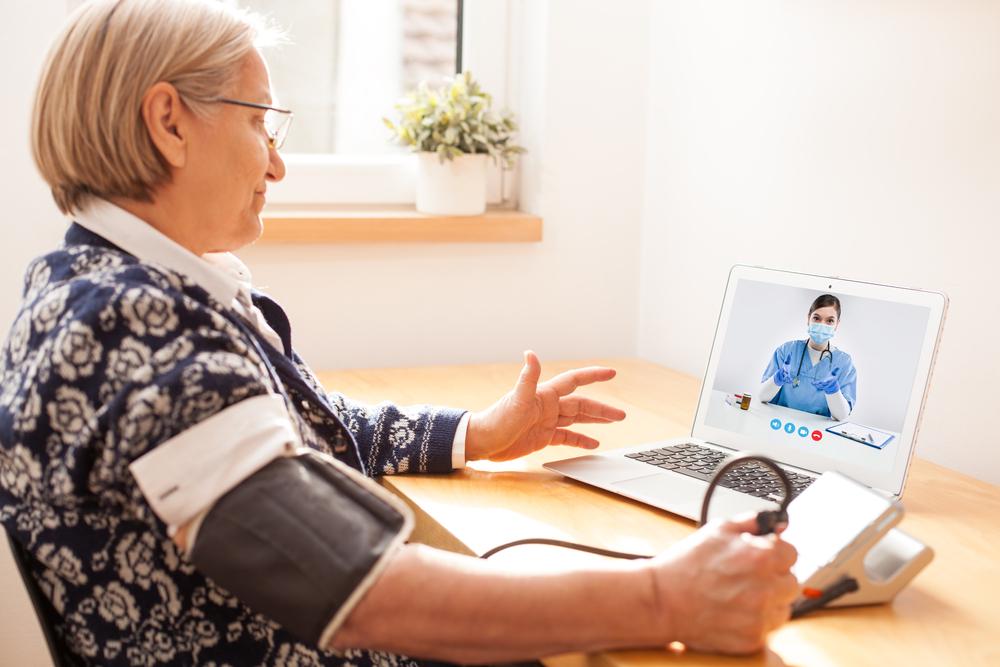
    Remote patient monitoring (RPM) is a digital healthcare technology and type of telehealth that uses electronic devices—such as weight scales, blood pressure monitors, glucose meters, and pulse oximeters—to collect patient-generated health data while the patient is at home or out with their loved ones. The data is then securely transmitted to their providers for review.

    By incorporating RPM into a comprehensive chronic disease management plan, patients and their care team can collaborate more effectively to improve communication and gain valuable treatment insights. We’ll explore the benefits of this technology for both patients and providers and examine how RPM supports a transition from reactive to proactive care, particularly for seniors managing one or more chronic conditions.

    RPM Benefits for Patients and Their Families

    For patients, RPM can be a transformative tool that empowers them and their families to take an active role in managing their health. A 2020 study found that RPM improved both patient satisfaction and self-management of chronic conditions. By strengthening the support system, it encourages independence and builds stronger relationships between patients and their care team. Let’s take a closer look at the benefits of RPM to understand its value from the patient’s perspective.

    Proactive Health Management

    RPM helps support early detection by providing real-time health alerts and detecting subtle changes in vitals before they become severe. Too often, these new symptoms, if not reported, aren’t known until the next doctor’s visit, when it may already be too late. Early detection helps prevent health complications, reduces stressful emergency room visits, and lowers hospital readmissions.

    Greater Independence

    With user-friendly interfaces and automated measurements, patients can track vital signs independently, monitor medication schedules, and record their symptoms. Sensors and alarms built within the system can help inform the patient of any alerts or irregularities. RPM allows them to feel in control of their health without the constant need for in-person check-ups.

    Streamlined Communications

    The data collected through RPM supports informed communications with healthcare providers. Patients can get instant feedback on their health data and receive answers and resources to help manage their condition. RPM reinforces positive behaviors and helps patients understand how lifestyle choices impact their health.

    Medication Adherence

    Automated reminders and adherence tracking within RPM systems help patients stay on schedule with their prescribed medications, a common challenge in managing chronic conditions. Studies have shown that reminder systems of any type can improve adherence by up to 20%.

    RPM as a Tool to Support Healthcare Practices

    For healthcare providers and the healthcare system as a whole, RPM can provide many different benefits that support better decision-making and improve cost efficiency. Below are some of the benefits that have been identified to help providers manage their practices and deliver better care.

    • 1. Streamlined workflows and efficiency
    • 2. Stronger care coordination
    • 3. Cost-savings for care
    • 4. Expanded patient reach

    RPM can help patient care teams of different providers access a continuous stream of data, reducing the need for as many in-person follow-ups and prioritizing patients who need immediate attention. Different providers can share information and insights within the team easily to create a more unified treatment plan.

    From a business perspective, RPM has proven to be very beneficial to practices. Many healthcare organizations have reported significant savings of up to $8,000 per patient annually by using RPM to prevent hospital visits and manage conditions proactively. In some cases, RPM has enabled practices to expand their reach and create new, scalable revenue streams.

    How ARCM Helps Seniors Live Healthy and Independent

    For seniors and their families, RPM offers an opportunity for more independence and peace of mind while living at home. As seniors typically face a higher rate of chronic disease, they are uniquely positioned to benefit most from this technology. While implementing it can present challenges, the right partnership with an RPM provider can ensure a seamless and successful transition.

    Accessible Remote Care Management (ARCM) features an intuitive, HIPAA-compliant platform that makes registering and tracking health data simple for all users, including seniors who may not be as technically proficient. With over 20 years of experience in providing home care services, we offer a complete solution for chronic care management.

    Our expertise covers every aspect of remote patient monitoring, from providing advanced devices and software to offering hands-on training and dedicated ongoing support.

    Physicians, seniors, and caregivers can connect to discuss treatment options and address feedback based on real-time data. As a whole, the technology is designed to be flexible and accessible with customizable features that encourage engagement and make it more manageable for seniors.

    By providing consistent health monitoring and a direct line to their care team, ARCM empowers seniors and caregivers to stay on top of chronic health issues and helps providers deliver the best available treatment interventions. Families can also rest assured knowing that their loved one’s health is being continuously tracked, with immediate alerts sent if any measurements fall outside personalized targets.

    Ultimately, though, regardless of age, ARCM is a remote care solution that ensures quality care is always within reach. Contact us today to learn more about the benefits of switching to ARCM.

    Debunking Remote Patient Monitoring Myths: What You Really Need to Know

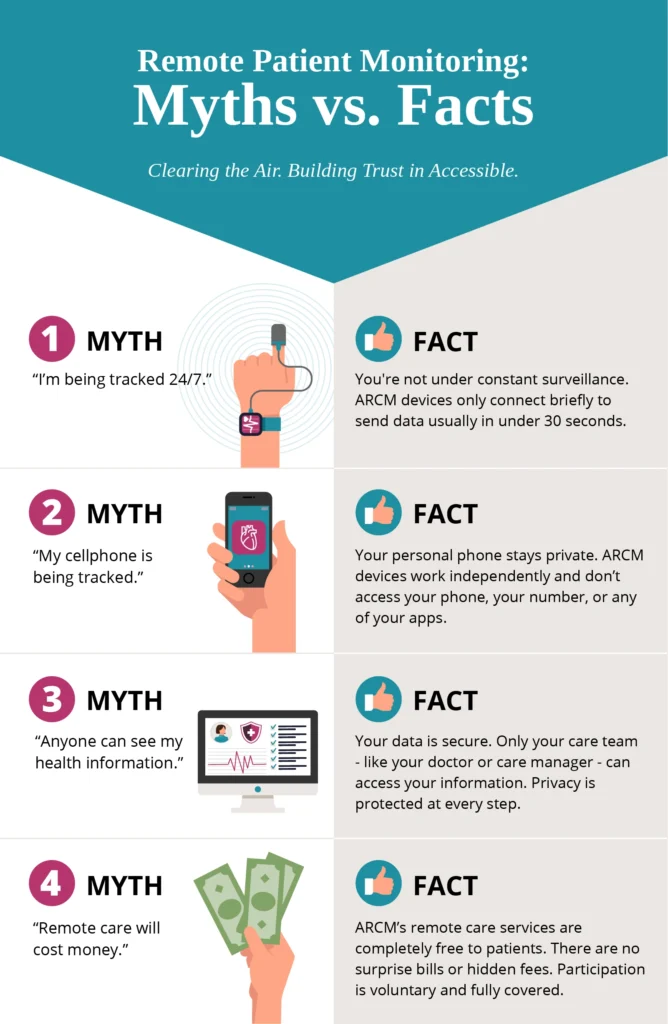
    Remote Patient Monitoring (RPM) is making healthcare more convenient and connected but it can also raise some understandable concerns. At Accessible Remote Care Management (ARCM), we’ve heard it all: “Is my phone being tracked?” “Am I being watched all day?” “Will this cost me anything?”

    That’s why we created our latest infographic, “Remote Patient Monitoring: Myths vs. Facts.” It’s a clear and simple breakdown of what RPM is and what it isn’t. Remote care should never feel invasive or confusing, it should be empowering.

    Remote Patient Monitoring: Myths vs. Facts

    Clearing the Air. Building Trust in Accessible.

    Myth Infographic

    Book a Demo
    Sign Up Now