
Key Takeaways:
- Early Detection Makes the Difference: When providers detect fluctuations early, they can make proactive choices to prevent the need for hospital readmissions.
- Patient Empowerment Increases Engagement: Making real-time health data available empowers patients to take a more active role in their recovery.
- Better Communication Equals Better Outcomes: Communication is crucial, especially after a hospitalization. RPM makes it possible to stay in touch when it matters most.
The Role of RPM in Modern Healthcare
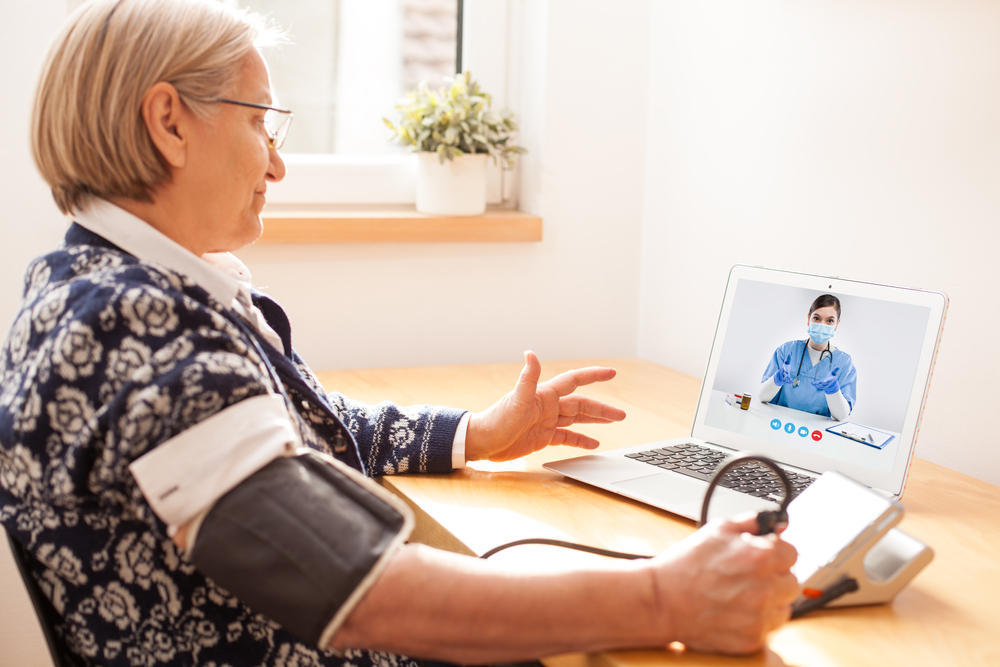
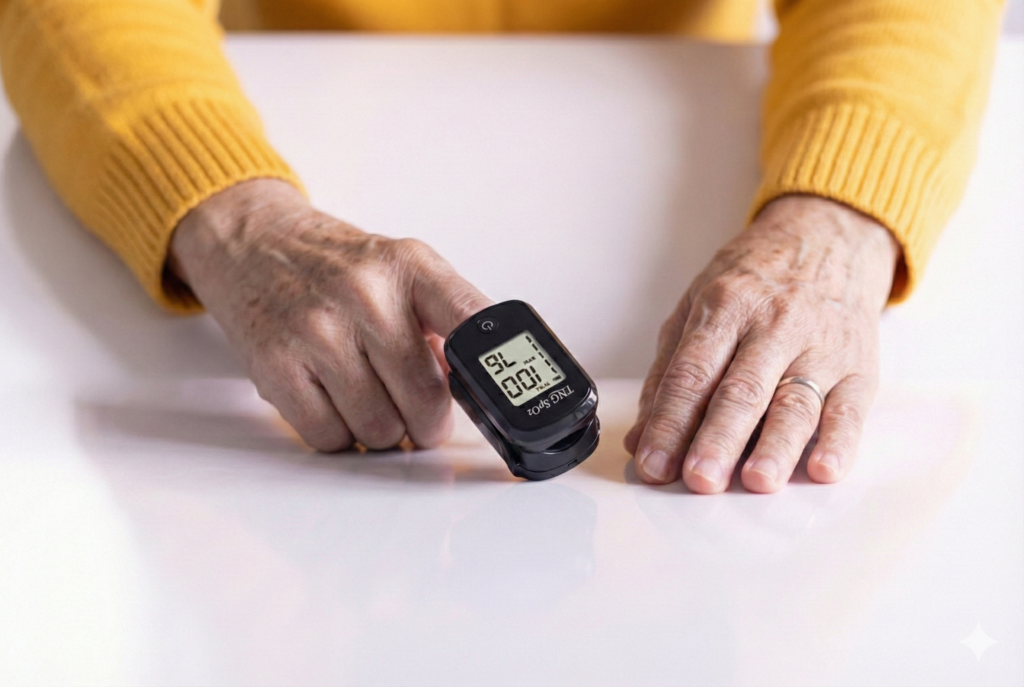
The advancement of technology has made huge strides across the healthcare industry. One of those breakthroughs is in remote patient monitoring (RPM). RPM is a new innovation in patient care that allows providers and caregivers to monitor their patients through devices like blood pressure monitors, glucose meters, and wearable sensors like smart watches. These devices keep patients and their providers connected, ensuring that early warning signs and other acute issues are detected before they become more serious.
In a recent article, we explored how RPM monitoring can help prevent emergency room visits. However, it is not always possible to avoid hospital visits, and sometimes routine surgeries are necessary. So, how can RPM be a part of reducing hospital readmission? Is it possible that these innovative new tools can be a part of supporting recovery and make better patient outcomes possible? The answer is yes!
Reducing Hospital Readmissions with RPM
Did you know that 23% of patients end up back in the hospital due to a lack of home support? At Accessible Remote Care Management, we know how beneficial in-home care can be for recovery.
It has been proven that having someone, especially a trained and experienced in-home caregiver, at home to oversee your loved one’s health and well-being not only helps them follow through with their post-stay instructions but also increases the chances of positive health outcomes.
RPM is no different, except who instead of a caregiver that comes only during scheduled visits your family is equipped with 24/7 monitoring. The benefits of this level of care post-operatively can quickly add up, making this innovative solution a force to be reckoned with in senior care.
Early Detection and Intervention
RPM systems involve a blend of wearable devices and other technology to collect real-time data. They track vital signs closely and alert caregivers and medical providers when there is a deviation from a patient’s baseline. Those alerts make it possible for your senior’s care team to promptly intervene and begin problem-solving solutions that prevent health conditions from worsening. Early detection makes it possible to address issues and keep your loved one healthy and on track for recovery.
Patient Empowerment Through Data
Recovering from an emergency room visit or hospitalization due to surgery can feel disempowering. For many seniors, it can feel like they are no longer in control of their health. However, with RPM systems like Accessible Remote Care Management’s HealthVitals® platform, patients are able to see their own vitals and get more involved in their own care.
By fostering a sense of ownership, seniors will feel more comfortable adhering to their treatment plans, reducing complications and leading to better health outcomes.
Personalized and Proactive Care
The days and weeks after hospitalization are crucial to ensuring your senior loved ones recover to their full potential. By allowing their care-team to analyze real-time data, RPM platforms make it possible for healthcare teams to make adjustments specific to your family member’s personal experience. Not only does this assist in preventing readmissions, but the tailored approach offers your family the peace of mind that your loved one’s care is personalized and proactive, making recovery a goal that is easily within their grasp.
Better Communication for Better Outcomes
Before the era of remote patient monitoring, patients would have to wait for their post-operative appointments with their care team to know how well their recovery was going. With RPM, your senior loved one will have a direct channel to connect with their providers. Instead of waiting to get answers to their questions and concerns, patients are now able to make their own in-the-moment decisions about their health outcomes.
Making Recovery A Priority
Here at Accessible Remote Care Monitoring, we know that the best place for recovery is at home. When your senior loved one is able to prioritize their health while also being in a familiar place, their health and well-being increases.
Adding RPM to their care plan makes recovery even easier. The National Institute of Health agrees: a 2024 study revealed that RPM reduced hospitalizations, emergency room visits, and total hospital stays significantly. Not only does RPM reduce readmissions, but it also improves patient outcomes by making recovery an interactive and collaborative process between your senior loved one and their care team.
Including RPM in your family’s care and recovery plan can make the difference between being readmitted and recovering at home. And, with our years of experience in in-home healthcare, Accessible Remote Care Management is dedicated to making sure that seniors feel empowered and engaged in their recovery.
To learn more about what HealthVitals® can do for your family, contact us today. We’re here to help and cannot wait to be a part of improving the health and well-being of the seniors in your life.